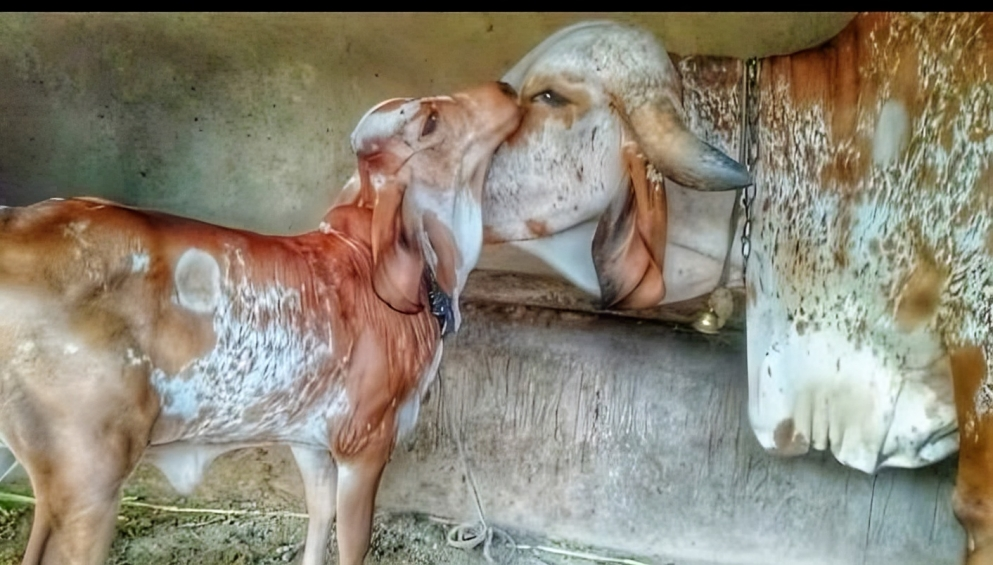
If you’re looking for best healthy Gir cattle for sale in Gujarat, you’re already thinking in the right direction for building a profitable, long-term dairy business. Gir cows are famous across India (and now globally) for their high-quality A2 milk, strong immunity, and excellent fertility. Gujarat, especially the Saurashtra region, is considered the original home of pure Gir cows, making it the first choice for serious dairy farm owners.
In this guide, you’ll learn:
- History and special features of Gir cattle
- Milk production capacity and reasons they are preferred for dairy
- Benefits of buying Gir cattle from Gujarat
- How to identify pure Gir breed
- Care, feeding, and breeding guidelines
- Role of certified Gaushalas and registered breeders in Gujarat
- FAQs with short, clear answers
1. Introduction: Why Gir Cattle Are in High Demand
Gir cattle (also written as Gyr) are one of India’s oldest and most valuable indigenous dairy breeds. Known for their A2 type milk, calm nature, and ability to survive in harsh climatic conditions, Gir cows are now in demand from:
- New small dairy farm owners
- Established commercial dairies
- Organic and A2 milk brands
- Gaushalas and rural entrepreneurs
Choosing healthy Gir cattle from Gujarat means you’re starting with authentic genetics, better adaptability, and long-term returns from milk, breeding, and calf sales.
2. History and Special Features of Gir Cattle
Origin and Background
- The Gir breed originates from the Gir forest and surrounding regions of Saurashtra in Gujarat.
- Traditionally reared by local communities and pastoralists, they were valued for milk, draught power, and hardiness.
- Over time, Gir cows became famous across India and are now exported to countries like Brazil, Mexico, and others, where they are used in high-yield crossbreeding programs.
Special Physical Features of Gir Cows
When you see a true Gir cow, you’ll usually notice:
- Head & Horns:
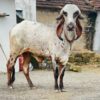
- Convex, dome-shaped forehead
- Long, pendulous ears that curve inward
- Thick, curved horns that grow backwards and sideways
- Color:
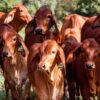
- Generally red, brick red, spotted or mottled with white patches
- Some may be purely red or speckled
- Body:
- Medium to large, deep body with a strong frame
- Well-developed udder with good attachment and visible milk veins
- Temperament:
- Gentle, calm, and easy to handle
- Adapts well to group housing and open grazing
These features are important both for breed purity and for managing the animals comfortably on your farm.
3. Milk Production Capacity of Gir Cows
Milk production will depend on genetics, feed, management, and health, but in general:
- Average daily yield:
Around 8–12 liters per day for many farm-level Gir cows under normal management - High-performing Gir cows:
With good genetics, proper feeding & care, some Gir cows can give 15 liters or more per day in peak lactation - Lactation length:
Typically 280–300 days per lactation - Milk type:
Gir cows produce A2 beta-casein milk, which many consumers prefer for perceived better digestibility and health benefits
This makes Gir cows ideal for:
- A2 milk brands and organic dairies
- Value-added products like ghee, curd, paneer, and khoa
4. Why Gir Cows Are Preferred for Milk Production
Gir cows are not just “desi cows” – they are high-potential dairy animals with multiple advantages:
Key Reasons:
- A2 Milk Advantage
- Many consumers believe A2 milk is easier to digest compared to A1 milk.
- Higher market demand can help you get better price per liter.
- High Feed Conversion Efficiency
- Gir cows make good use of roughage and local fodder.
- Lower dependency on expensive concentrate feed compared to some exotic breeds.
- Strong Immunity & Disease Resistance
- Better adapted to Indian climate, heat, and common diseases.
- Reduced vet expenses and lower mortality risk.
- Good Fertility & Calving
- Gir cows usually have regular calving intervals with good reproductive performance.
- Bull calves from pure Gir lines are valuable for breeding.
- Long Productive Life
- They often remain productive for many lactations, which increases lifetime returns per animal.
For dairy farm owners, this means stable milk output, lower medical costs, and better overall profitability.
5. Benefits of Buying Gir Cattle from Gujarat
If you want original, healthy Gir cattle, Gujarat is the most trusted source. Here’s why:
5.1 Genetic Purity
- Gujarat is the native region of the Gir breed.
- Many certified Gaushalas and registered breeders focus on maintaining pure bloodlines.
- Better chances of getting animals with authentic breed characteristics, good udders, and strong milk lines.
5.2 Wide Choice of Animals
- You can find:
- Heifers (unbred female calves)
- Pregnant heifers
- Milking cows in different lactations
- Proven bulls and semen (through authorized centers)
This lets you select animals based on your budget, farm capacity, and breeding plan.
5.3 Proven Performance
- Many Gujarat-based Gir herds have long family records of milk yield and calving.
- Some breeders can show line-wise performance, making it easier to choose high-potential animals.
5.4 Support & Guidance
- Reputed Gir breeders in Gujarat often provide:
- Basic training on feeding and management
- Vaccination and health record history
- Guidance on breeding and AI (Artificial Insemination)
This support is very helpful, especially if you’re starting your first dairy farm.

Add comment